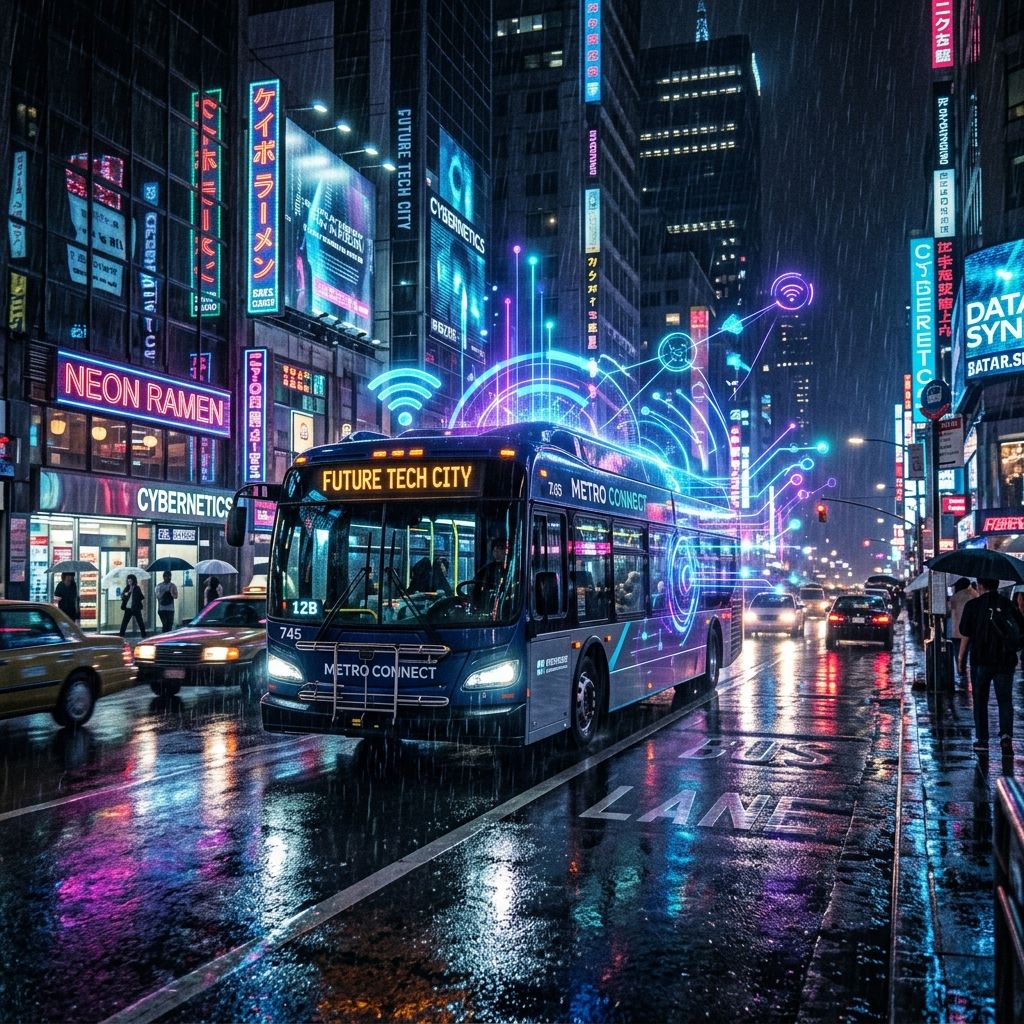
The Future of Connected Public Transit
As urbanization accelerates across the globe, municipal transit authorities are under immense pressure. They must move more people, more efficiently, while battling increasing traffic congestion and stringent safety mandates. The solution lies in connected, AI-driven public transit ecosystems.
Beyond Basic GPS Tracking
Historically, public transit telematics meant simple GPS tracking to estimate arrival times. Today, that is no longer sufficient. Modern city buses are transforming into rolling data hubs. By equipping buses with intelligent multi-camera systems and edge AI, transit authorities gain unprecedented visibility into both the vehicle's interior and its exterior environment.
Enhancing Passenger Safety and Security
The primary concern for any transit network is passenger safety. AI-Karangué's interior monitoring systems utilize computer vision to detect overcrowding, slip-and-fall incidents, and even aggressive behavior, instantly alerting a central command center. Externally, ADAS features monitor blind spots for pedestrians, cyclists, and micromobility users (like e-scooters), providing the driver with critical alerts before a collision can occur.
Route Optimization through Data
The benefits extend beyond safety. By analyzing the rich data generated by our telematics systems—such as dwell times at specific stops, traffic bottlenecks, and engine idling data—municipalities can dynamically optimize routes. This reduces fuel consumption, lowers emissions, and significantly improves schedule adherence.
The connected bus is the foundational building block of the smart city. Partner with AI-Karangué to bring your transit network into the future.